Thick insulation in the field can still underperform if heat leaks through linear bridges—slab edges, balconies, steel posts, or window jambs. The building behaves as its weakest continuous path.
1. What a thermal bridge costs
Bridges increase heat loss locally, raise surface condensation risk, and can create cold rooms even when U-values on paper look excellent. Codes increasingly reference linear transmittance (ψ-values) for critical junctions—ask how your details comply.
2. Continuity of the insulation layer
Insulation should wrap the envelope without gaps at corners, eaves, and floor zones. “Almost continuous” is discontinuous. Use pre-designed junction details from system suppliers where possible.
3. Structure penetrating the envelope
Steel columns, balcony slabs, and concrete ledges conduct heat. Break or isolate them with thermal breaks and model their impact early; retrofits here are painful.
4. Airtightness partners insulation
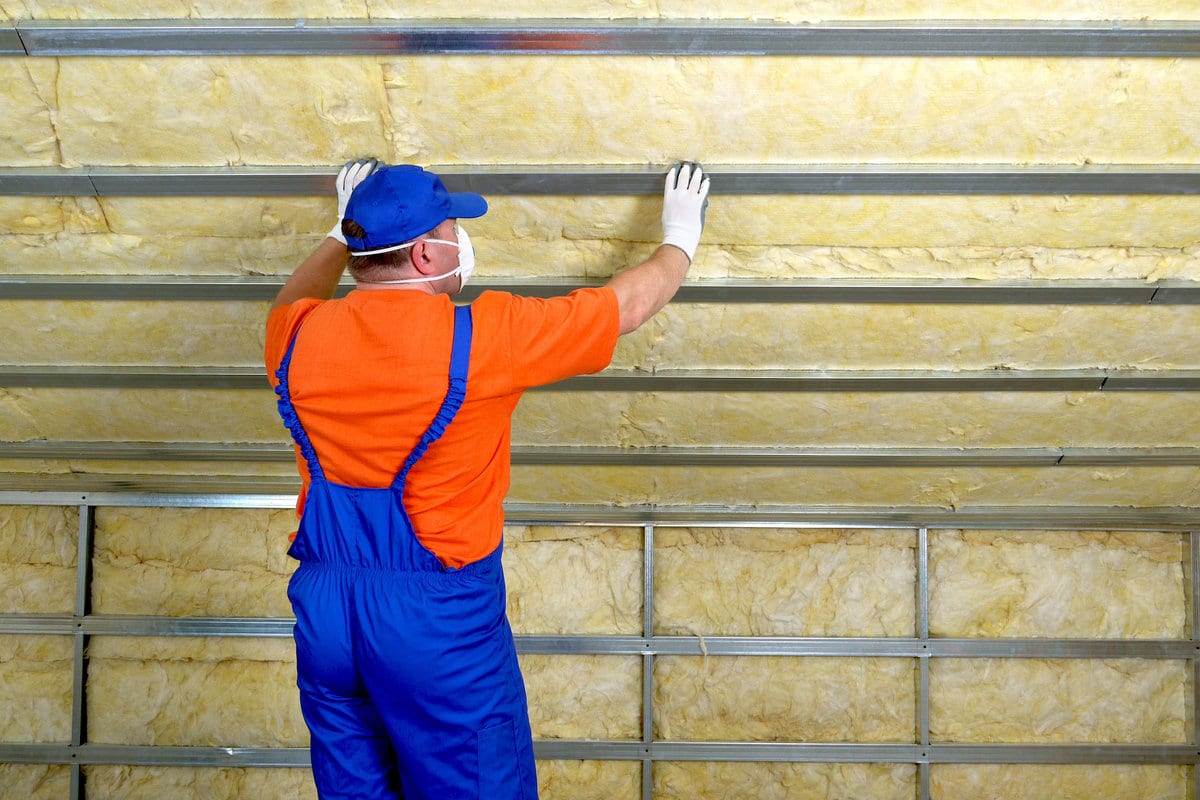
Wind washing through fibrous insulation strips effective R-value. An airtight line on the warm side of the insulation, taped and inspected, stabilises performance.
5. QA on site
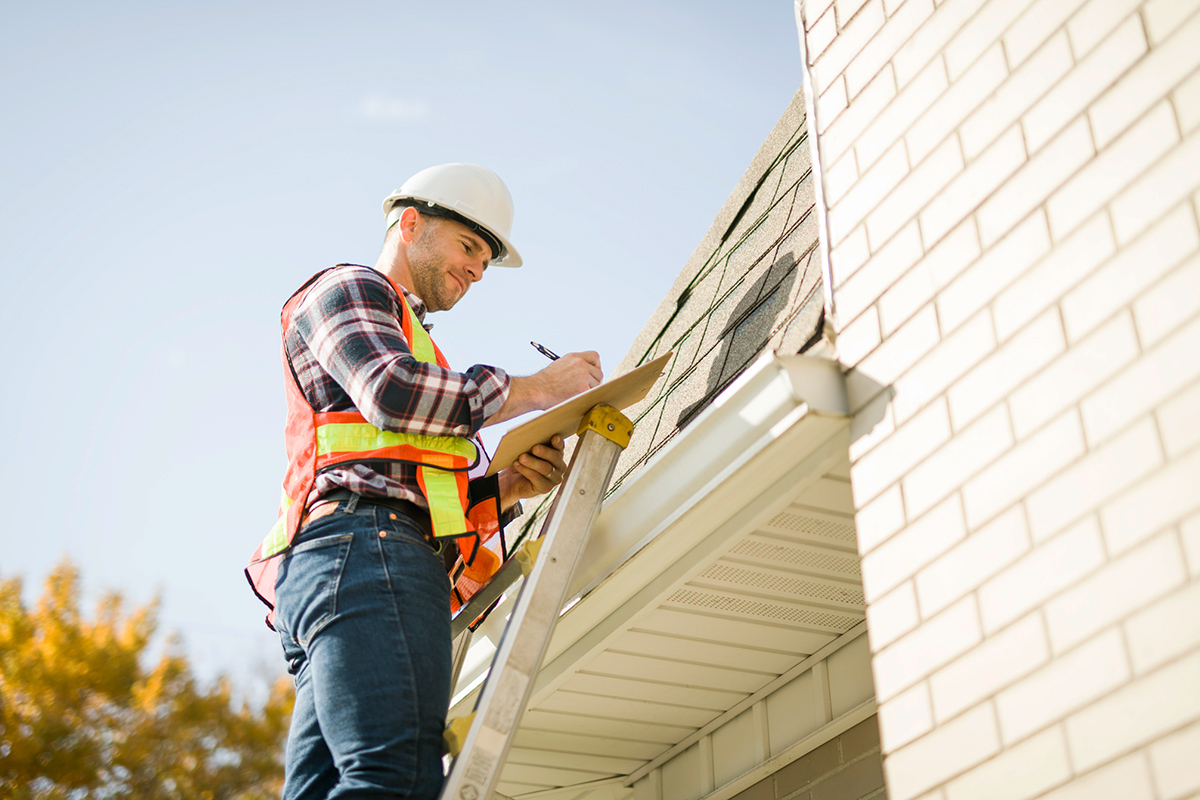
Photo log layers before cover-up, spot-check thicknesses, and run a blower-door test before internal lining where possible. Evidence beats assumptions.
Closing. Insulation is a system: materials, geometry, and airtightness together. Fix the bridges and the headline U-values finally mean what occupants feel.