Basements fail quietly until they do not: a white bloom on paint, a musty smell, or a puddle after a storm. Most expensive repairs trace back to a handful of predictable detailing and sequencing mistakes.
1. Confusing barriers with drainage
A tanking membrane on the inside can resist hydrostatic pressure only if it is continuous and compatible with the substrate. Many “quick internal tank” jobs ignore active water paths from the outside. Combined approaches—manage water at the perimeter, relieve pressure, then line—usually outlast single-layer fixes.
2. Cold joints and penetrations
Pipe entries, service ducts, and changes in construction sequence create weak planes. Detail each penetration before pour or backfill, and photograph waterproofing layers before they are covered. What is buried is what you will pay to reopen.
3. External vs. internal protection
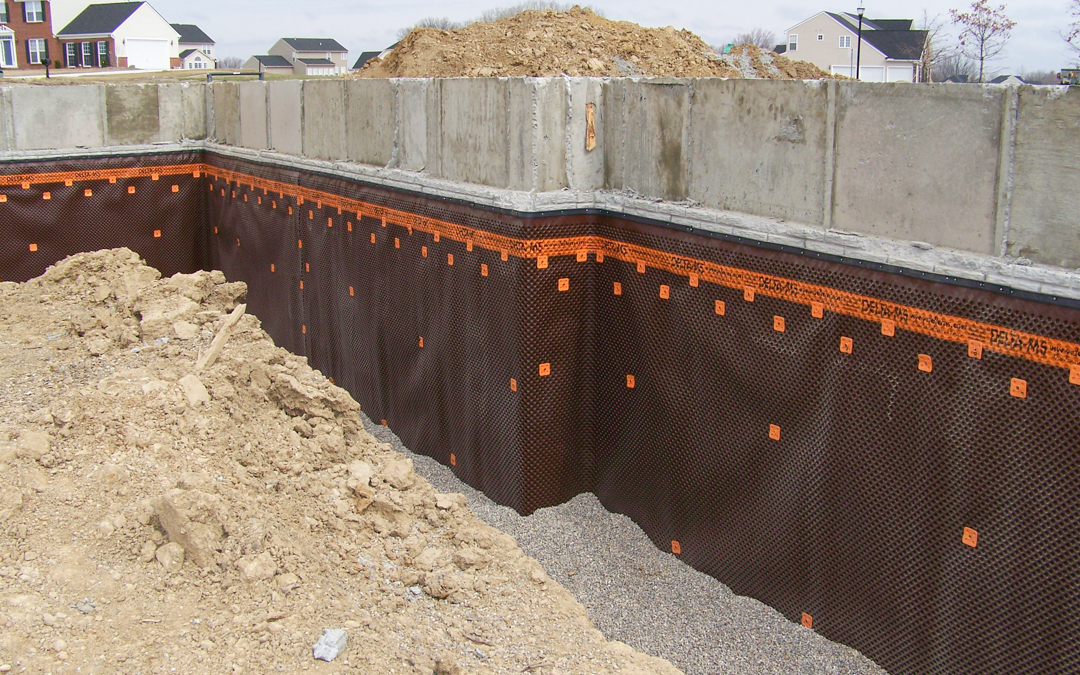
External membranes and drainage boards protect the structure directly but need careful backfill and protection during works. Internal systems are sometimes unavoidable on retrofits but shift the stress onto finishes and pumps. Match the strategy to groundwater risk, soil type, and maintenance access.
4. Drying and curing timelines
Closing in too early traps construction moisture against cool basement walls. Monitor relative humidity and temperature; sequence paints, screeds, and insulation only when substrates are within manufacturer limits.
5. Warranty and records
Keep test results, product batches, and installer certificates. If moisture returns, traceability speeds root-cause analysis instead of guesswork.
Closing. Basement waterproofing rewards conservative detailing, disciplined sequencing, and honest assessment of groundwater load. Fix the path water wants to take before debating paint colours.